Written by: Hamed Mahdi, Translated by: Shekib Safdari
Activists inside Afghanistan and abroad marked the close of a global campaign to stop violence against women and girls, using videos, statements, and symbolic protests to highlight Taliban abuses and demand accountability.
Afghanistan’s women’s rights activists have concluded a 16-day campaign calling for an end to violence against women and girls. The campaign, part of a global movement, begins every year on November 25, the International Day for the Elimination of Violence Against Women, and ends on December 10 which is Human Rights Day. As the campaign drew to a close, Afghanistan Women’s Voice conducted interviews with activists, human rights defenders, and members of protest movements to discuss their actions and achievements. Afghan women, both inside the country and abroad, joined the effort despite severe restrictions and pressure under Taliban rule.
Activists say the campaign’s goal is to raise awareness about gender-based violence and push for its elimination. They stress that Afghanistan women have remained united around this demand and continued their fight for justice, even under harsh conditions and fear of reprisals.
Women and protest movements recorded individual and group videos, issued statements in several languages, and staged symbolic demonstrations. These actions, activists say, helped amplify their voices globally and reminded the world of the Taliban’s widespread abuses.
Other activities included publishing written and visual reports, sharing photos that show violence, speaking to the media, and producing documentaries were aimed to document systemic and structural violence against women and girls under Taliban rule.
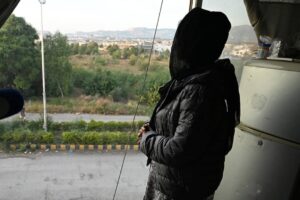
One activist, who asked not to be named for security reasons, told Afghanistan Women’s Voice that campaigners also launched awareness drives on forced marriage, denial of education, psychological abuse, and social pressures on women. She said public protests are rarely possible in Afghanistan, so the fight for justice will continue on social media and in private spaces.
Protest movements used slogans such as “Hidden violence leaves deeper scars” and “End violence now.” They called on international organizations and human rights bodies to hold the Taliban accountable for organized crimes against women.
Maliha Afzali, a women’s rights activist and member of protest movements, said the campaign brought together individuals, organizations, and movements. Each contributed in their own way. Some issued statements and staged symbolic protests. Others conducted research and shared their findings with United Nations agencies and human rights groups.
Activists describe the actions of the past four years and those during this campaign as achievements. They say sustained pressure has prevented the Taliban from gaining international recognition, kept them out of global meetings, and subjected them to financial restrictions.
Afzali said real accounts of violence and human rights violations were shared during the campaign. Voices of women who faced arrest, humiliation, and forced marriage were heard. Discussions were hosted about this situation and ways to resist it on Space.
She said the position of protest movements and rights groups was clear: “The Taliban are enemies of women’s freedom and dignity.” She added that Taliban directives are misogynistic and inhuman.
Afzali noted that protests and campaigns are not limited to these 16 days. For more than four years, Afghan women worldwide have exposed the true face of Taliban rule and resisted its policies that suppress women. Women’s rights activists say they will not remain silent in their pursuit of justice and will continue their struggle.