Reported by Hamid Mahd, translated by Rostam Safdari
Residents across Afghanistan say the cost of essential medicines has climbed sharply amid warnings from international aid agencies about growing poverty and humanitarian need.
International relief organisations, including the World Food Programme, have repeatedly cautioned that Afghans are facing rising levels of deprivation.
Against this backdrop, citizens told Afghanistan Women’s Voice that medicine prices in pharmacies and private clinics have surged in recent months due to shortages in supply.
Many said they can no longer afford basic treatments. They stressed that, despite frequent Taliban claims of monitoring private markets and health facilities, no practical intervention has been made to ease the crisis.
A resident said drug sellers attribute the price increases to empty medical warehouses and the continued closure of trade routes with Pakistan. “When we ask drug sellers why medicine has become so costly, they say Afghanistan’s warehouses are running empty and the Pakistan route remains shut. That is why the cost of medicine has gone up.” he told Afghanistan Women’s Voice.
With winter approaching, many fear the shortages will deepen. Residents describe the combination of rising prices and limited access to healthcare as one of the most serious challenges confronting communities across the country.
Abbas, who supports his family of four through daily wages from a handcart, said the price of saline solution had risen from about 160 Afghanis to as high as 200 Afghanis. “Everything has become expensive. Oil, flour, medicine. We simply cannot afford it anymore,” he said.
His experience reflects a wider national struggle. Every day, thousands more find themselves unable to access affordable treatment as the cost-of-living crisis worsens.
This comes despite Taliban assurances that Afghanistan is on the verge of self-sufficiency in producing saline solution and can meet a large portion of domestic demand. However, residents report that even locally produced items have increased in price.
A pharmacist in Kabul confirmed that medicines imported from Pakistan have risen by an estimated 50 to 70 percent. He said the closure of key trade crossings has severely strained the pharmaceutical sector and pushed up the price of Afghan made medicines as well.
He noted that Indian pharmaceutical imports have grown since Pakistan’s supplies were interrupted but said many patients remain dissatisfied mainly because of higher prices and unfamiliarity with Indian brands. “People have trusted Pakistani brands for more than twenty years. They are not yet used to Indian medicines, and for many families the cost is also a concern,” he said.
Despite official border closures, sources told Afghanistan Women’s Voice that Pakistani medicines continue to enter the country illegally. They said the Taliban have struggled to stop the smuggling of pharmaceuticals.
In recent days, Abdul Ghani Baradar, the Taliban’s deputy prime minister for economic affairs, ordered Afghan traders to settle outstanding accounts with Pakistani companies within three weeks.
Taliban officials have also sought to strengthen ties with Indian pharmaceutical firms in the hope of increasing imports. However, analysts say ordinary Afghans are bearing the brunt of the political and trade disputes, facing higher prices and reduced access to reliable healthcare.
Women are among those most affected by the rise in medicine prices. In many Afghan households, women are financially dependent on male relatives and lack independent income. As a result, they are often forced to delay or abandon medical treatment when resources are limited. The increasing cost of medicines has made access to care for pregnancy, childbirth, and chronic illnesses more difficult, while restrictions on women’s work and movement further limit their ability to seek healthcare. Health workers warn that these pressures are deepening existing inequalities and placing women’s health at serious risk.
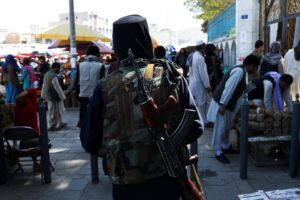
Note: Photo from Internet.